Introduction
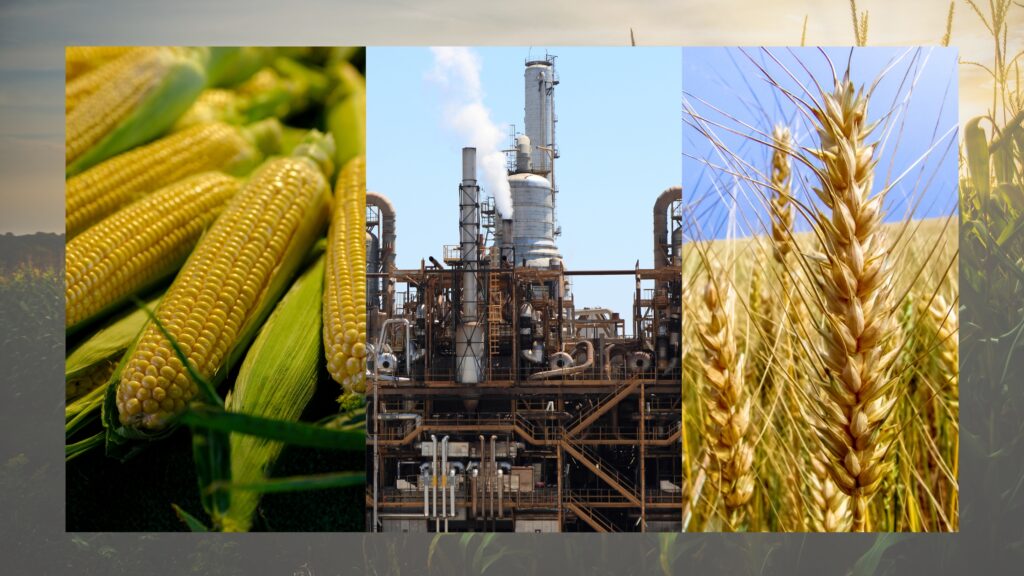
The grain-based ethanol industry is evolving rapidly, driven by the need for higher efficiency, consistent output, and sustainable operations. While the core production process remains unchanged, the real differentiation today lies in how effectively plants manage fermentation performance, contamination risks, water usage, and overall process optimization.
Modern distilleries are increasingly adopting biotechnology-driven, integrated solutions to address these challenges and improve operational outcomes.
Rethinking Efficiency in Grain-Based Ethanol Production
Grain-based ethanol production involves multiple interconnected stages—from starch conversion to fermentation and downstream processing. Any inefficiency at one stage can impact overall yield and plant economics.
To achieve optimal performance, distilleries are shifting toward a holistic approach that focuses on:
- Enhancing fermentation efficiency
- Maximizing starch-to-sugar conversion
- Reducing process variability
- Improving resource utilization
This integrated perspective is key to achieving consistent and scalable results.
Enhancing Fermentation Performance
Optimized Enzymatic Conversion
Efficient breakdown of starch into fermentable sugars is critical for maximising yield. Advanced enzymatic systems enable:
- Faster and more complete liquefaction and saccharification
- Improved sugar availability for fermentation
- Greater process stability across different grain types
This leads to better alcohol recovery and reduced process losses.
Robust Yeast Performance
Yeast plays a central role in determining fermentation success. Modern fermentation strategies focus on:
- High tolerance to temperature and osmotic stress
- Consistent activity across varying feedstocks
- Improved alcohol productivity
A well-supported fermentation system ensures faster cycles and reliable output.
Balanced Nutrient Management
Providing the right nutrient balance is essential for maintaining yeast health and activity. Optimized nutrient systems help:
- Enhance yeast metabolism
- Reduce fermentation stress
- Improve overall process efficiency
This contributes directly to higher yields and stable fermentation performance.
Contamination Control: Ensuring Process Reliability
Microbial contamination—especially from bacteria such as lactobacillus—can significantly impact ethanol yield and process efficiency.
Effective contamination control strategies focus on:
- Targeted microbial inhibition
- Maintaining process hygiene
- Preventing competition for sugars during fermentation
A controlled fermentation environment results in improved reliability, reduced downtime, and better overall plant performance.
Water Management and Sustainable Operations
Water is a critical resource in ethanol production, and its efficient use is becoming increasingly important.
Modern distilleries are adopting advanced water and wastewater management practices, including:
- Recycling of process condensate and spent streams
- Reduction of organic load in wastewater
- Improved biodegradability for easier treatment
These approaches help plants move toward sustainable operations, reduce freshwater dependency, and meet environmental compliance requirements.
Managing Process Challenges in Distilleries
Feedstock Variability
Differences in grain quality can affect starch content and conversion efficiency. Adaptive process solutions are required to maintain consistency.
Foam Formation During Fermentation
Foaming can disrupt fermentation and reduce operational efficiency. Effective control measures are essential to ensure smooth processing.
Cooling Water and Utility Management
Efficient management of cooling systems is necessary to prevent issues such as scaling, corrosion, and biological growth, especially when using high-load water.
Operational Cost Pressures
Energy, water, and input materials contribute significantly to production costs. Optimizing each stage of the process helps improve overall profitability.
The Need for Integrated Solutions
Rather than addressing challenges in isolation, ethanol plants are moving toward integrated, biotechnology-driven solutions that combine:
- Enzymatic processing
- Fermentation optimization
- Contamination control
- Water and wastewater management
This integrated approach enables:
- Higher yields and improved efficiency
- Reduced operational risks
- Lower environmental impact
- Consistent long-term performance
The Future of Grain-Based Ethanol Production
The industry is transitioning toward smarter, more sustainable operations, with a strong emphasis on:
- Resource optimization
- Water recycling and reuse
- Process stability and automation
- Environmentally responsible production
As expectations around sustainability and efficiency continue to grow, the role of biotechnology will become even more critical in shaping the future of ethanol production.
Conclusion
Grain-based ethanol production is no longer just about producing fuel—it is about maximizing efficiency, ensuring reliability, and operating sustainably.
By adopting a comprehensive, science-driven approach that integrates fermentation optimization, contamination control, and water management, distilleries can significantly enhance their performance while meeting evolving environmental and economic demands.
🌐 Valientbio.com